Playscape Group · 2018–2020

Building the team, the practice, and the products — at the same time.

Playscape was an edtech company with its own products and a product design studio arm. I came in as their first Product Design Manager to build a real design practice from zero — while leading product direction for three internal tools the company wanted to grow into a unified B2B suite for enterprise L&D.

Product Design Manager 2018–2020 5 designers recruited & led 11 enterprise clients

Context

An edtech company. Three products. A studio arm. And no design practice.

Playscape built edtech products and delivered bespoke learning experiences for enterprise clients across banking, healthcare, defence, and the public sector. The company had three internal tools — Proso (a VOD platform for training and development), Squick (an organisational survey tool), and Meilo (a chat simulation for communication practice) — each built separately, with different UX patterns, different data models, and no shared design direction. Alongside these internal products, the company ran a design studio arm serving 11 enterprise clients. The vision was to unify the three tools into a B2B suite for L&D teams and eventually a licensed content marketplace (the Playscape Store). I was brought in as their first Product Design Manager to make both things happen: build the team and the practice, and lead the product direction.

The Challenge

No team. No process. Three products. And client work due on Friday.

Two leadership mandates running simultaneously, in an environment where client delivery was always the competing priority.

The design team at Playscape was creative-led — talented people producing work, but without a shared methodology for understanding the problem before designing the solution. Proso's analytics showed only 10% of users ever used category filtering, and average video watch time before drop-off was 7 seconds. Data like that demands a design response, not just a delivery — and that response requires a team capable of problem-framing, not just screen-making. The CTO held the product vision for the whole suite but was also responsible for technology delivery on client projects, which meant the practice had to be built through the delivery, not before it.

A creative team without a shared product design practice

Individual quality was high; team coherence was not. There was no common starting point for problem framing, no shared research standard, no critique structure. Each project was its own world — which works for a pure studio but breaks down when you are also building products that need to feel consistent and intentional.

Three standalone products, a bold suite vision, and a CTO pulled in two directions

The overall product vision for the suite sat with the CTO — who was simultaneously responsible for technology strategy and client technical delivery. Product direction was real, but always competing with something more urgent. Design decisions often needed to be made before that direction had fully landed.

Studio client delivery ran continuously alongside internal product work

The studio arm served 11 enterprise clients — banks, insurers, healthcare organisations, robotics companies, startups, and municipality. That work was real revenue and could not be deprioritised. The team I was building was also the team delivering for clients. There was no quiet period to build the practice in — it had to happen through the work.

Key Decision

Build the practice through the work. Not before it.

The instinct in this situation is to stabilise first — get delivery running smoothly, then introduce process improvements once things are steady. It is a reasonable instinct, and it is also why design practices never change: there is always more delivery to do, and later never arrives. If process is something you add on top of delivery, it stays optional forever.

The default approach

Stabilise delivery first. Once things are running smoothly, introduce process improvements — workshops, templates, methodology documentation — alongside the real work.

The decision

Introduce the methodology through the client projects — not separately from them. The team would not learn the process in workshops. They would learn it by using it on real work, for real clients, with real deadlines.

"You cannot build a practice by waiting for things to slow down. You build it through the work — or you do not build it at all."

For the internal products — Proso in particular — the work was different in kind. I was working directly with the CTO and Playscape's management to understand the suite vision and translate it into product direction. That meant sitting in conversations about which client requirements were worth absorbing into the core product, which improvements had the most business leverage, and which features were distractions from what enterprise L&D buyers were actually asking for. Design was not downstream of those decisions. It was part of making them.

How I Built It

Three moves that changed how the team worked.

Each move was a structural change — not a set of guidelines, but a shift in how the team started, evaluated, and handed off work.

01

Recruit for problem orientation, then build process through onboarding

Hiring five designers while running live projects meant there was no grace period — new team members had to contribute quickly. I recruited for attitude first: designers who asked about the user before asking about the brief. Onboarding was built around structured early project experiences — a problem framing exercise before any tool, a lightweight research sprint on a live brief, a critique session with explicit criteria. By the time each designer was delivering independently, the process felt like theirs, not something imposed on them.

02

Formalise a repeatable methodology: Research → Strategy → Architecture → UX Characterisation

Research meant talking to real users before defining a solution — even if lightweight. Strategy translated that research into a problem frame and agreed success criteria. Architecture mapped the information structure and core interaction model before screen design. UX Characterisation defined the specific experience qualities that would make this product work for this user in this context. The work was making it the consistent standard across a team of five, applied to both client projects and internal products.

03

Frame the three products as a suite — even before the integration existed

Proso, Squick, and Meilo were technically separate. The strategic frame I worked from treated them as a continuous L&D workflow: learn with Proso, assess with Squick, practise with Meilo. That framing shaped every individual product decision — which design patterns to invest in, how to build reporting layers that could eventually connect, what a shared admin experience should feel like. The full suite did not ship during this period. But having the direction clearly articulated meant that every decision made in the meantime was building toward something — rather than three products drifting further apart.

Internal Products

Three tools. One vision they were building toward.

Each served a distinct part of the enterprise L&D workflow. The design challenge was making them coherent enough to work as a suite — before the technical integration was ready.

01

Proso — "The Netflix of Learning"

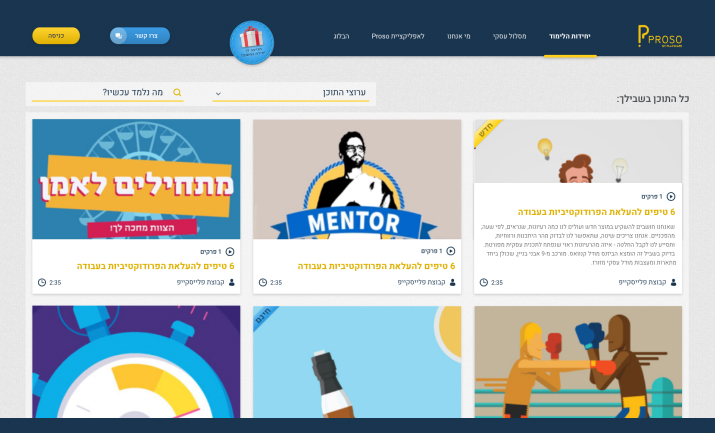
A video-on-demand learning platform with individual and enterprise tiers. Beyond UX design, I worked with the CTO and management to identify which improvements had the most business potential and which client-requested features were worth building into the core product. Real behavioural data shaped the direction: only 10% of users clicked category filters, and average video watch time before drop-off was 7 seconds — so the redesign moved search to the primary navigation tool, introduced an interest-based feed, and used scroll behaviour that collapsed the header to surface more content. Full UX scope: content discovery grid, category taxonomy (31+ management topics, 39+ employee skills), multi-step auth with Google/LinkedIn SSO, chapter-based video player with progress and lock states, and hover-reveal social interactions.

02

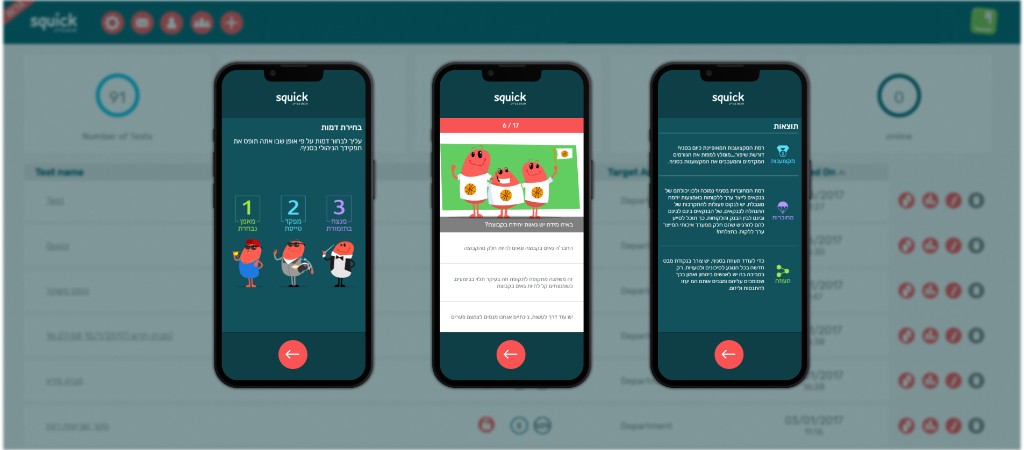
Squick — test and survey authoring with department-level analytics

A dual-sided platform: an authoring tool for L&D managers and an analytics dashboard for tracking results by department. Six question types (multiple choice, multiple selection, rating scales, open questions, weighted scoring, information blocks), configurable pass thresholds, department targeting, and an admin dashboard with KPIs. In active beta development — design and build running in parallel.

03

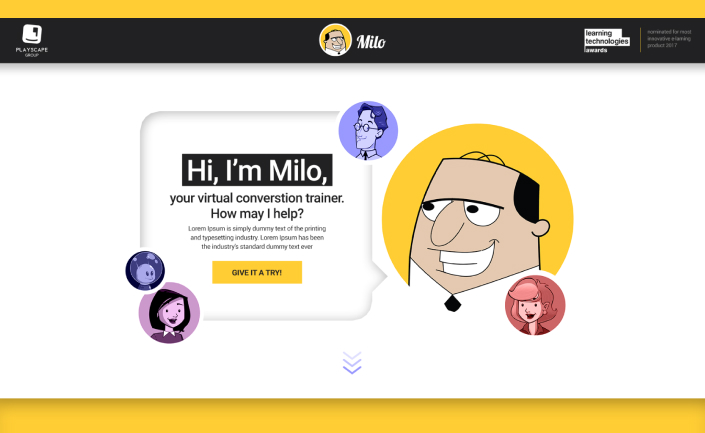
Meilo — chat simulation for communication practice

Scenario-based chat simulation for high-stakes communication practice — customer conversations, difficult feedback, negotiation, compliance interactions. The UX challenge was calibrating realism against psychological safety: realistic enough to transfer to practice, safe enough to encourage honest responses rather than "correct answer" behaviour. Used across Playscape's regulated-industry clients where communication failure has direct business or compliance consequences.

Proso Academy VOD platform on laptop — library dashboard with featured neuro-linguistics course and continue learning section

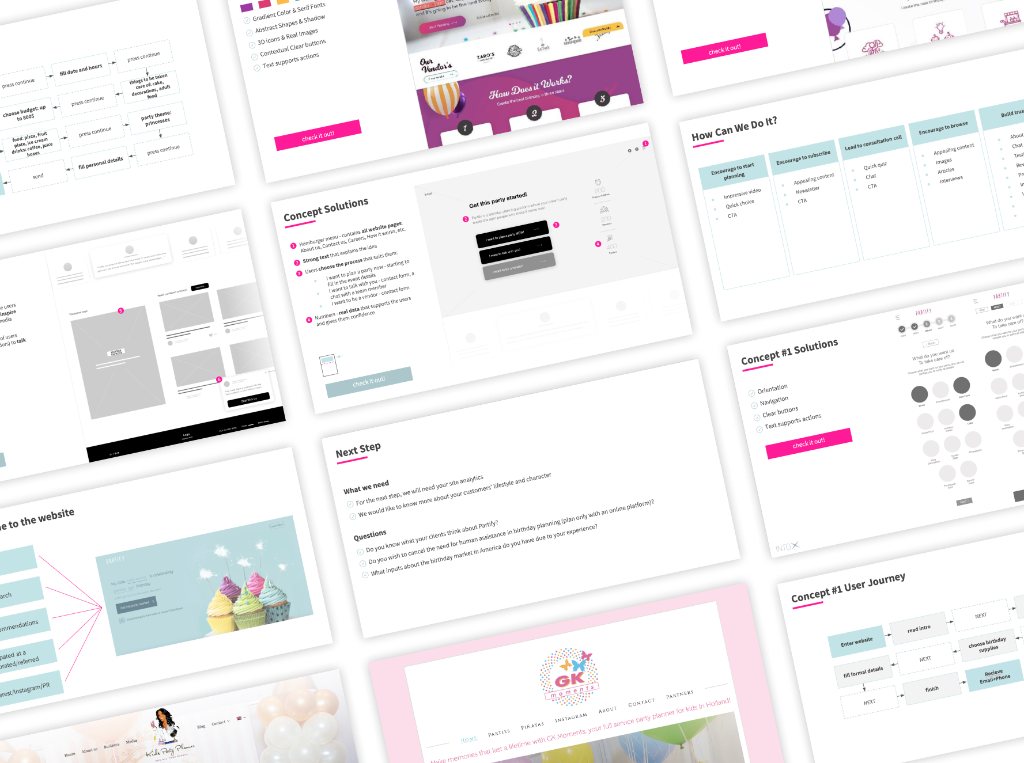
Playscape Store. Licensed content marketplace — part of the B2B suite vision for enterprise L&D teams.

Studio Client Work

11 clients. Five sectors. One methodology applied consistently.

The range was the real test of the practice — the same research-first, outcome-defined approach held across a bank, a health startup, an educational robotics company, and a city municipality.

Healthcare — Clalit

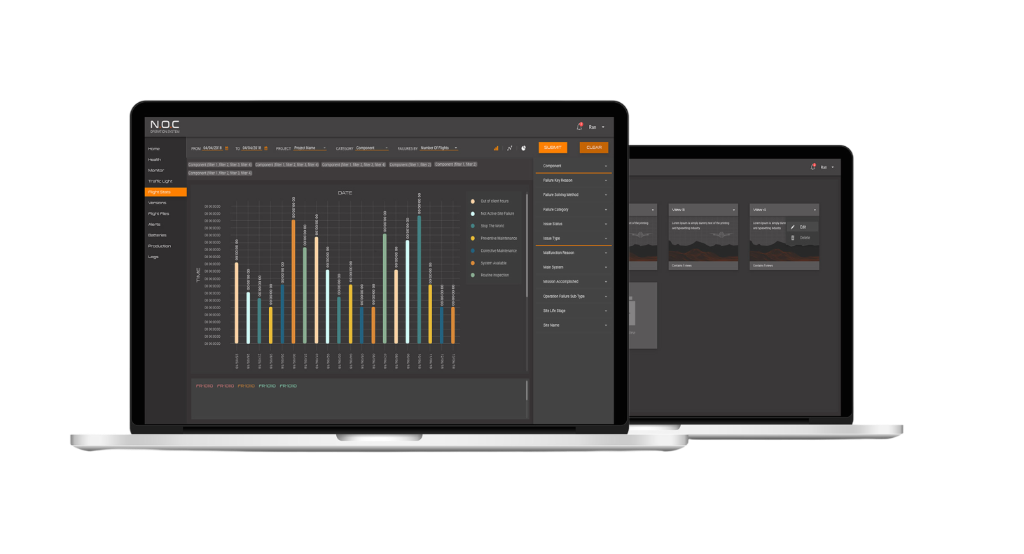
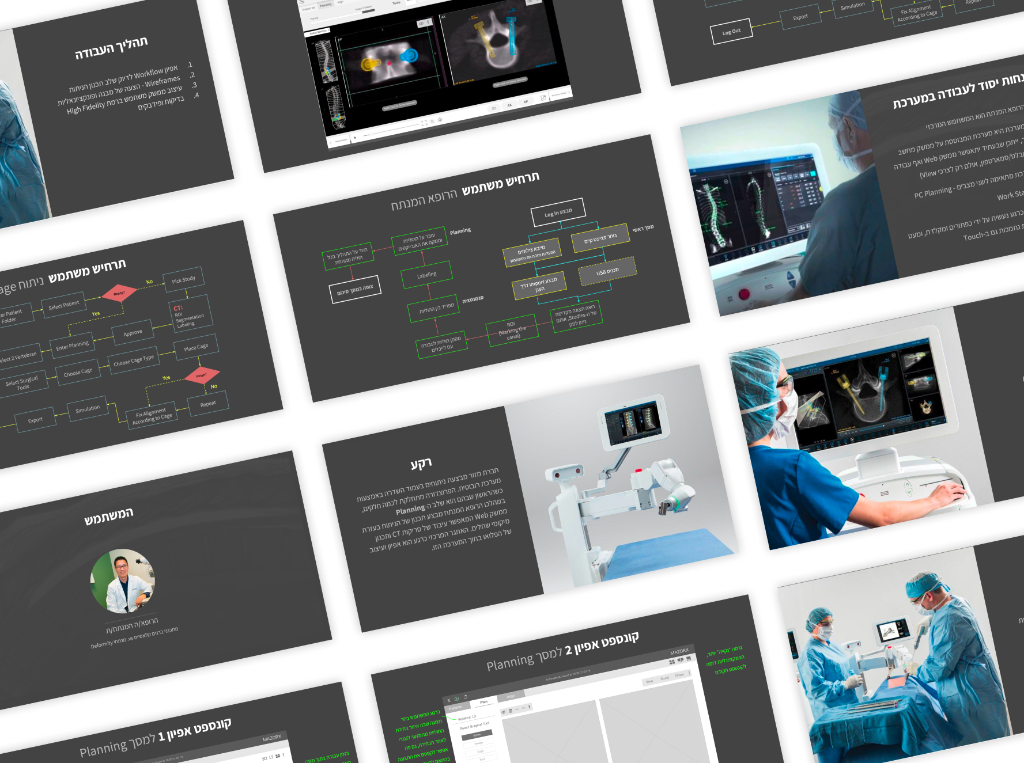
Israel's largest HMO — learning and simulation tools for clinical and administrative staff across a nationwide network. High compliance requirements, high user volume, diverse technical literacy across the organisation.

Financial services — Bank Hapoalim & Psagot

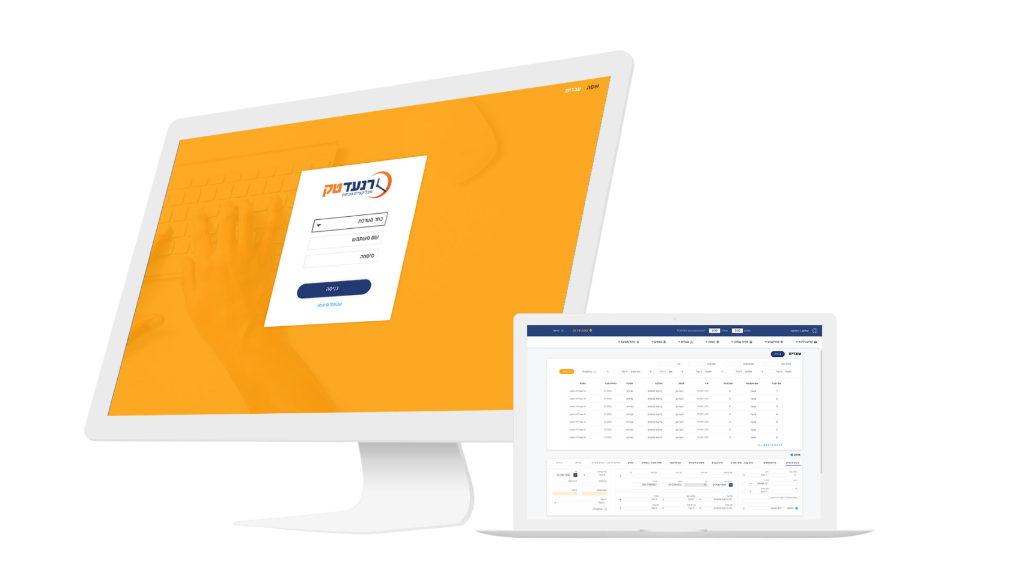
Two major financial institutions — bespoke training tools and web simulators for frontline and investment staff in regulated environments. Bank Hapoalim brought the added context of tightly controlled design standards and large-scale user populations.

Enterprise software — NICE

Global enterprise software company — UX and learning experience work for workforce management and customer experience training across large-scale international deployments.

FMCG — Strauss

One of Israel's largest food companies — a web-based simulator for sales and product training, designed for a distributed commercial workforce with varying digital literacy and time-pressured working conditions.

Health data / AI — iCarbonX

AI-powered personal health platform — UX at the intersection of health data and consumer behaviour, navigating complex user trust dynamics and data transparency requirements.

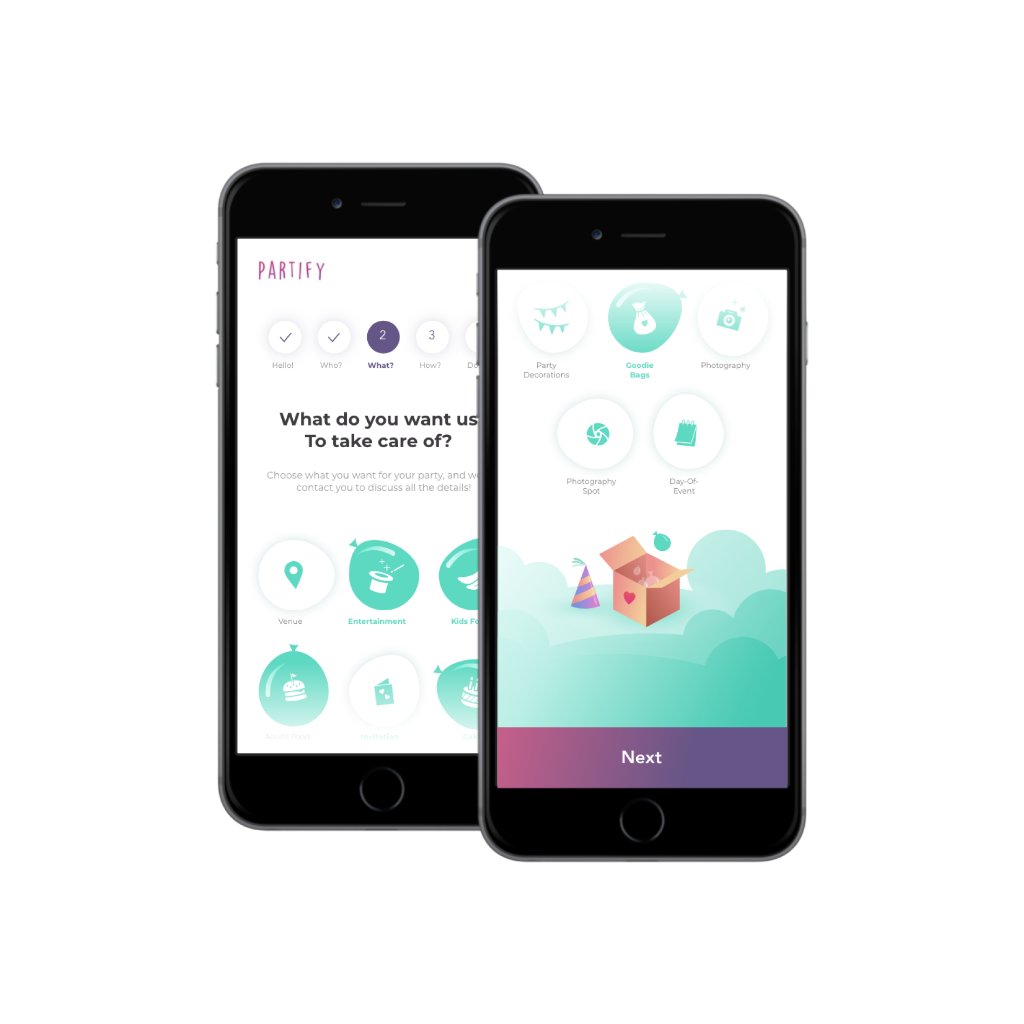
Public sector — Tel Aviv Municipality, Mazorobotics, Partify, INVO

Digital experience work for one of Israel's most design-forward public institutions, plus three early-stage companies — educational robotics and two startups requiring fast-cycle UX where problem definition and design happened simultaneously.

Outcome

A team, a practice, and a product direction — built simultaneously.

The signal from Playscape is not a single product metric. It is the fact that both tracks ran — and delivered — at the same time.

5

Designers led

Recruited, onboarded, and led — from zero to a functioning practice with shared process and consistent output quality.

3

Internal products

Proso, Squick, and Meilo — each with a clear UX direction pointing toward eventual B2B suite integration.

11

Studio clients

Enterprise clients across healthcare, banking, public sector, FMCG, and startups — served through the same research-first methodology.

5+

Sectors

Healthcare, financial services, enterprise software, public sector, edtech — the breadth tested whether the practice actually scaled.

The team was built and functioning, with a shared practice that held across enterprise client work and internal product. The suite did not fully ship — client delivery pressure kept pulling priority — but the design groundwork was real. The harder outcome to measure — but the more durable one — was the team itself: five designers having better conversations about their work, making more confident decisions earlier, and giving each other more useful feedback. The process was not something done to them. It was something built together, and they carried it forward.

Reflection

Three things Playscape taught me that I still use.

Simultaneity is harder than complexity. Running a design team and acting as product manager for three products was not hard because either task was beyond capability — it was hard because the two roles compete for the same resource: attention. The skill developed at Playscape was not managing both at once. It was knowing which one to be fully present for at a given moment, and being honest when either could not get what it deserved.

Strategic framing has value even when the strategy does not fully execute. The B2B suite did not ship during this period. But having the direction clearly articulated shaped hundreds of smaller decisions — which design patterns to invest in, how to build reporting layers, how to handle account-level admin. A strategic direction gives everyday decisions a frame to compound toward. The absence of full execution does not mean the framing had no value.

The team is the output that outlasts the product. The most durable thing built at Playscape was not a specific feature or a product vision — it was the five people recruited and the way they were working by the time of departure. A designer who understands how to frame a problem before designing a solution will keep doing that after the manager is gone. That compound return — the work they do over years, not just while being managed — is what makes team building the highest-leverage investment a design leader makes.